
The role of luck versus skill in casino success
- 31 agosto, 2026
- public
- Comentarios desactivados en The role of luck versus skill in casino success
- zet
Understanding Luck in Gambling
Luck is often described as the unpredictable force that can influence the outcome of various games in a casino, including popular options that players can explore through betting apps canada , where outcomes are entirely random, and chance determines who wins and who loses. In these types of games, luck is the primary factor influencing success, as players have no control over the results. This element of chance can lead to both exhilarating victories and frustrating losses, drawing players in for the thrill of unpredictability.
The allure of luck is deeply ingrained in the gambling experience, as it promises the possibility of immense rewards from minimal investment. For instance, a single spin on a slot machine can yield a jackpot, changing the player’s fortunes in an instant. Many players rely on superstition, rituals, or lucky numbers, believing that a favorable outcome is somehow within their control. This relationship with luck is a significant part of the overall excitement and appeal of casino gaming.
However, while luck is a substantial force in gaming outcomes, it’s important to remember that it is not a sustainable strategy for long-term success. Relying solely on luck can lead to significant losses over time, especially in games with a house edge. In the long run, players will find that luck can fluctuate, highlighting the importance of understanding how it works in conjunction with skill and strategy. Ultimately, while luck can spark the thrill of the game, it is not a reliable path to consistent winnings.
The Importance of Skill in Strategy Games
In contrast to luck-driven games, skill-based games like poker and blackjack rely heavily on the player’s knowledge and tactics. In these games, understanding your opponents, calculating odds, and making strategic decisions can significantly influence your chances of winning. Players who dedicate time to mastering the intricacies of these games often outperform those who rely solely on chance. Skill allows players to mitigate risks and capitalize on favorable situations, showcasing the art of gambling as much as its randomness.
For example, in poker, a player must not only understand the probabilities of different hands but also read opponents’ behaviors and bluff effectively. Over time, skilled players develop a deep understanding of the game, which enables them to maximize their potential winnings. This interplay of knowledge, psychology, and strategy forms the foundation of success in skill-based games, illustrating the importance of strategy over blind luck in achieving consistent results.
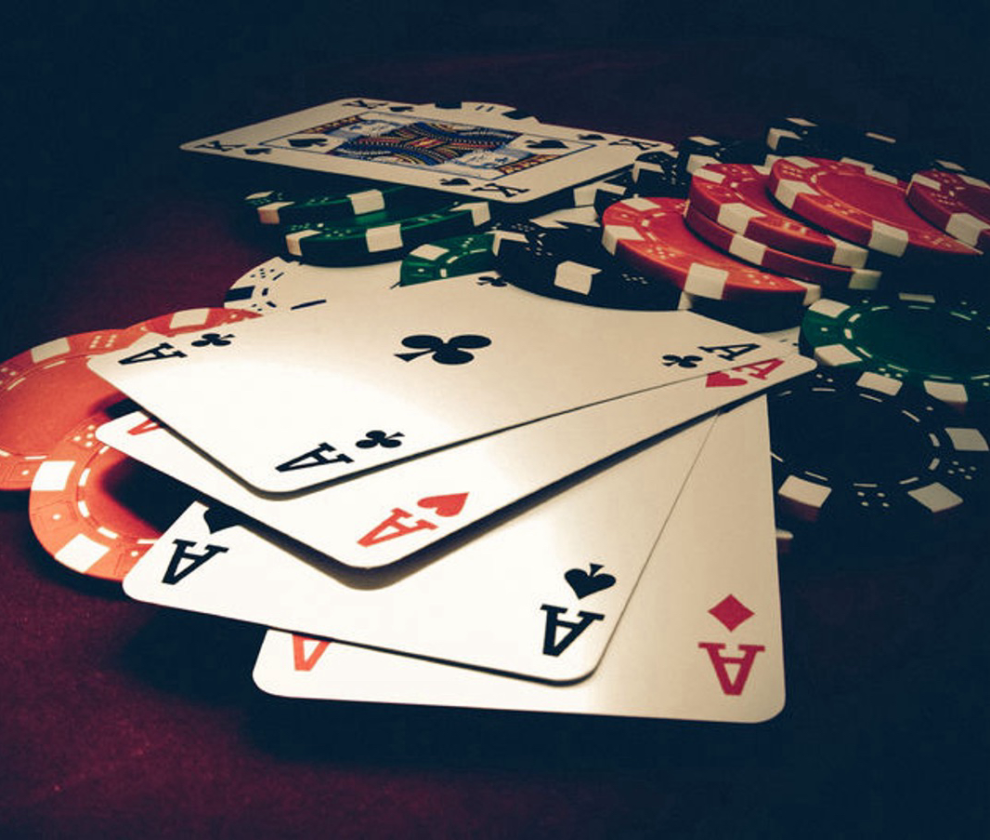
Moreover, the casino environment increasingly rewards skillful players. Many casinos host tournaments and offer incentives for high-level play, further underlining the significance of skill as a critical factor in long-term success. While luck may still impact individual outcomes, a player’s expertise can create a more favorable playing field, demonstrating that skill is equally important in defining a successful gambling experience. As such, the cultivation of skill is essential for anyone serious about improving their chances of success in the competitive world of casinos.
The Balance Between Luck and Skill
The relationship between luck and skill in casino gaming is often more nuanced than a simple dichotomy. In many cases, successful gambling involves finding an optimal balance between the two factors. Players who understand this balance can strategically choose which games to play based on their risk tolerance and skill level. For instance, someone with a solid understanding of poker may feel more comfortable investing their time in that game, while someone who enjoys the thrill of randomness may prefer playing slots.
This balance is essential for overall enjoyment and financial management in a casino setting. Recognizing when to rely on luck and when to implement skill can not only enhance the gaming experience but also contribute to responsible gambling practices. For example, savvy players may approach a high-stakes poker game with a strategy while maintaining a more relaxed attitude when playing a game of chance, such as roulette. This flexibility can prevent frustration and foster a more enjoyable atmosphere.
Additionally, the blending of luck and skill can lead to periods of streaks where skillful play results in a series of lucky breaks. Conversely, a string of bad luck can test even the most skilled players. This dynamic interplay emphasizes that while luck can be a game-changer, skill often provides lasting benefits and strategies that can mitigate the effects of bad luck. Therefore, understanding how to integrate both elements can lead to a more versatile and enjoyable gambling experience, benefiting players in both high-stakes and casual environments.
Psychological Factors Influencing Perceptions of Luck and Skill
Psychological factors play a significant role in how players perceive luck and skill in casino success. Cognitive biases, such as the illusion of control, can affect gambler behavior, leading players to believe they can influence outcomes in games driven by chance. For instance, a player may convince themselves that their rituals or superstitions increase their odds of winning, overshadowing the randomness inherent in the game. This mindset can create a skewed perception of how much control one truly has over the results.

Moreover, the thrill of a big win can amplify the belief in luck, giving players a sense of euphoria that often encourages them to continue playing. This emotional engagement can lead to increased gambling behavior, even when it may not be financially prudent. Understanding these psychological influences is essential for players to maintain a healthy balance between luck and skill. Recognizing the role of emotion can help players develop a more grounded approach to gambling, making informed decisions rather than impulsive ones.
In addition, fostering a mindset that appreciates the combination of skill and luck can enhance the overall gaming experience. Players who understand their strengths and weaknesses can create a strategy that maximizes enjoyment while minimizing risks. Ultimately, building awareness of these psychological factors allows players to engage with gambling in a more thoughtful manner, promoting responsible gaming practices alongside enjoyment. This self-awareness can be crucial in navigating the emotional highs and lows associated with casino gaming.
Exploring Our Website for More Insights
At our website, we are dedicated to providing a wealth of information regarding the intricate dynamics of casino gaming. Visitors can explore various articles and resources that delve into the complex interplay between luck and skill, offering valuable insights for both novice and experienced players. Our goal is to empower players with the knowledge they need to make informed decisions while navigating the exciting world of casinos.
Furthermore, our platform features expert advice, strategies, and tips that can help players improve their game, regardless of whether they prefer luck-based games or those that require skill. We believe that understanding the mechanics of these games can lead to greater enjoyment and potentially higher success rates in the long run. By promoting responsible gaming, we aim to create a supportive environment for our community of players.
In conclusion, understanding the role of luck versus skill in casino success is crucial for anyone looking to enhance their gambling experience. We invite you to explore our website further to unlock a treasure trove of knowledge that can help improve your gaming strategy. Join us in discovering the fascinating world of casinos and equip yourself with the tools necessary for a successful and enjoyable journey. Our commitment to providing insightful content ensures that players always have access to the latest strategies and trends in the gaming industry.


Comentarios recientes